
AI robotics and the quest for capable robots |
The gap between humanoid robots and generalist robots |
😀 Interesting Facts |
|
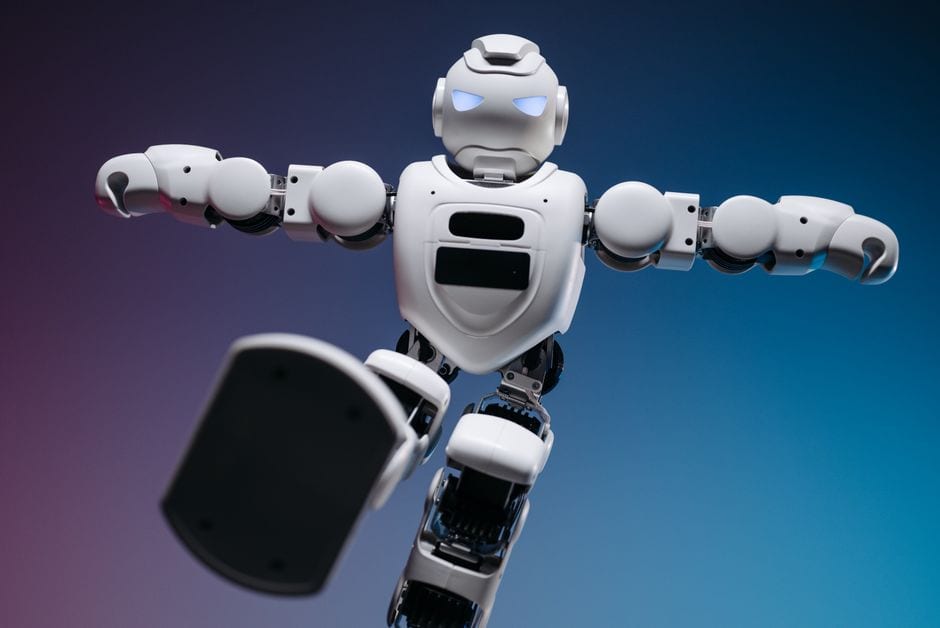
Humanoid robots can dance for a camera, but performing useful work without help is a much tougher test.
That distinction matters as AI robotics moves from polished demonstrations toward factory floors, research labs and, eventually, homes.
A machine that resembles a person is not necessarily one that can handle the unpredictable jobs people do every day.
The gap between humanoid robots and generalist robots is a gap between appearance and adaptability.
Generalist machines must recognize unfamiliar objects, choose a sensible action and adjust when a task does not go as planned.
In San Francisco robotics labs, researchers are exploring systems that learn from demonstrations rather than following instructions written for every movement.
Some robots can now sort objects, pack simple items or fold fabric, offering genuine signs of progress.
Yet a successful lab exercise does not mean the same machine can manage a crowded kitchen or an unfamiliar workplace.
Different tools, cluttered rooms and unexpected interruptions can turn an apparently simple chore into a difficult sequence of decisions.
That is why factory trials generally focus on narrow, repetitive assignments rather than the sweeping promises attached to robot helpers.
The stakes rise at home, where a mistake could mean broken dishes, spilled hot water or someone getting hurt.
Reliability, not stage presence, will determine whether these machines earn anyone's trust.
Researchers are trying to improve that reliability by giving robots a better grasp of how objects behave in the physical world.
Others are collecting more examples of everyday tasks, though no training collection can neatly capture every household or worksite.
For workers and families watching this technology develop, the practical question is not whether a robot looks human.
It is whether the machine can finish a useful job safely, repeatedly and without someone quietly guiding it from the sidelines.
Until then, impressive demonstrations are best treated as milestones, not proof that an all-purpose helper has arrived. |
0 Comments
Join the conversation
Be the first to comment
Share your thoughts above.